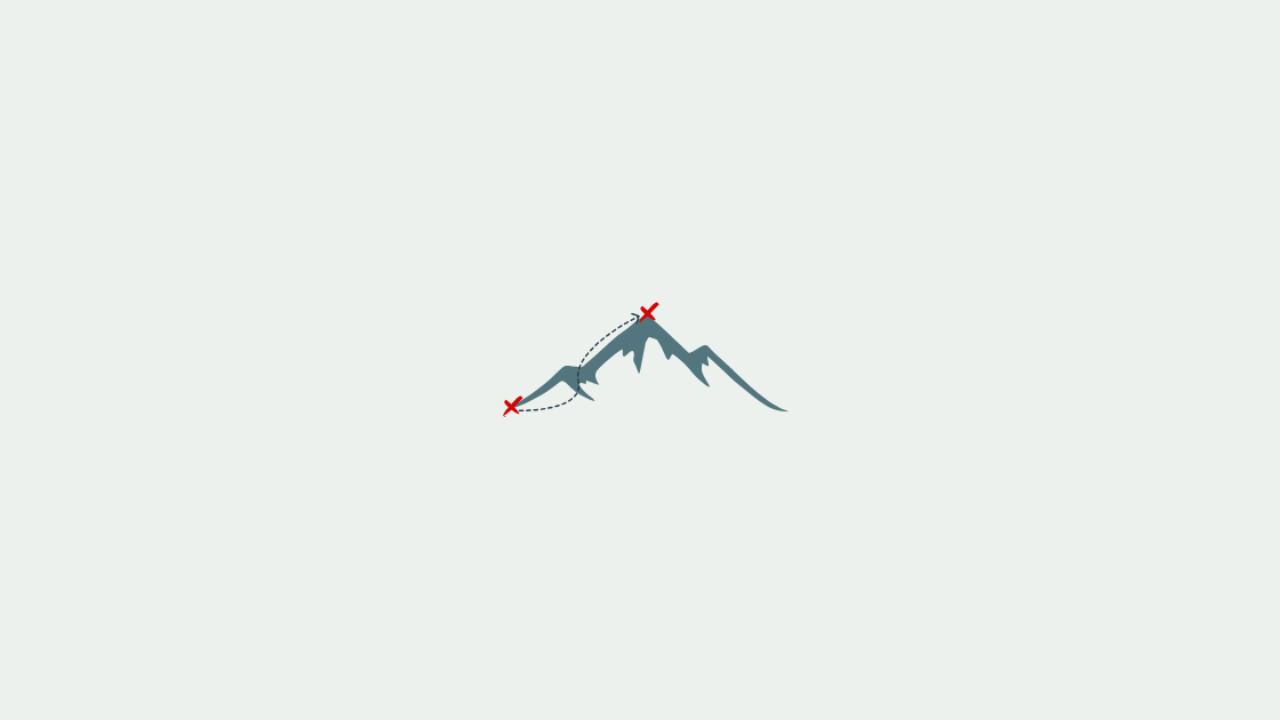
The difference isn't intelligence, experience, or even effort. It's judgment.

Hey, it’s Rafic.
Welcome back to Peak Performance Insider.
If you asked ten managers what they look for in a great employee, you'd probably hear answers like:
"Someone who's reliable."
"Someone with a strong work ethic."
"Someone who takes initiative."
They're all right.
But after leading teams for several years, I've noticed something else.
The people who consistently grow their careers aren't always the smartest.
They aren't always the most experienced.
And they definitely aren't always the ones working the longest hours.
They're the people who require the least management.
Not because they need less support.
Because they've developed the judgment to make good decisions, communicate effectively, and build trust.
That's what separates good employees from great ones.
📌 Today's Agenda
✅ The difference between effort and judgment
✅ Five behaviors that separate good employees from great ones
✅ Why trust matters more than talent over time
✅ One question worth reflecting on this week
First time reading?

✍️ Deep Dive: Great Employees Reduce Uncertainty
Every manager has enough uncertainty.
Deadlines change.
Customers escalate.
People call in sick.
Priorities shift.
The employees who stand out aren't necessarily the ones doing the most work.
They're the ones who create the least uncertainty for everyone around them.
Here's what they do differently.
1️⃣ They Bring Recommendations—Not Just Problems
Every workplace has problems.
Great employees don't pretend they don't exist.
They also don't stop at identifying them.
Instead of saying:
"We have an issue."
They say:
"Here's what's happening. Here's what I've looked at. Here's what I recommend."
Their recommendation might not always be the right one.
That's okay.
Judgment improves through practice.
Managers appreciate people who think before they escalate.
2️⃣ They Communicate Before They're Asked
One of the fastest ways to build trust is simple:
Don't make people chase you for updates.
If a deadline is slipping...
Say something.
If a customer issue is growing...
Say something.
If your priorities have changed...
Say something.
Communication isn't about sending more messages.
It's about reducing uncertainty.
One sentence sent early is often worth far more than a long explanation later.
3️⃣ They Understand the Bigger Picture
Good employees complete their work.
Great employees understand why the work matters.
They ask questions like:
→ How does this affect the customer?
→ What impact will this have on another team?
→ Is there a simpler way to achieve the same outcome?
They don't optimize only their own tasks.
They think about the business.
That's where better decisions begin.
4️⃣ They Make the People Around Them Better
One of the clearest signs of maturity at work is this:
Success stops being only about you.
Great employees share knowledge.
Help teammates.
Document what they've learned.
Coach new hires.
Improve processes.
They leave things better than they found them.
Their impact extends beyond the work they personally complete.
5️⃣ They Do What They Say They'll Do
Trust isn't built through grand gestures.
It's built through consistency.
People know where they stand with them.
If they commit to something...
They follow through.
If something changes...
They communicate early.
If they make a mistake...
They own it.
Reliability compounds over time.
Eventually, people stop wondering if you'll deliver.
They simply expect that you will.
The Common Thread
None of these behaviors require extraordinary talent.
They don't require decades of experience.
And they don't require working longer hours.
They require judgment.
The ability to think ahead.
Communicate clearly.
Take ownership.
And consistently make life easier—not harder—for the people around you.
That's why great employees become trusted employees.
And trust opens more doors than talent alone ever will.
One Question Worth Sitting With
Think about the people you've enjoyed working with most.
What made them great?
Now ask yourself:
Would the people you work with describe you the same way?
🤝 Work With Me
Career growth isn't just about becoming more knowledgeable.
It's about becoming someone others trust with greater responsibility.
That's what we work on together.
Building better judgment.
Improving communication.
Developing leadership skills.
And learning how to create value beyond your job description.
Because promotions rarely go to the person who simply works the hardest.
They go to the person others already trust to handle more.
If you're ready for that next step, I'd love to help.
👉 https://www.raficosseiran.com 🚀
🔗 Best Links - My Favorite Finds
A few things I came across this week on growth, leadership, productivity, and well-being.
🧠 Personal Growth & Mindset
🔹 How to Silence Your Inner Critic and Unlock Your Potential | A practical look at recognizing self-critical thinking and replacing it with a healthier, more productive inner dialogue.
👥 Leadership & Influence
🔹 Don't Plan Your Career Too Far in Advance – Harvard Business Review | A thoughtful perspective on why adaptability often matters more than having the perfect long-term career plan.
📈 Habits & Productivity
🔹 The Five-Minute Rule That Can Help You Stop Procrastinating | One simple technique that makes it easier to start difficult tasks by lowering the mental barrier to taking action.
💪 Health & Wellness
🔹 How to Stop Over-Optimizing Your Health – Dr. Andrew Huberman | A refreshing reminder that consistency beats perfection. Dr. Huberman explains why trying to optimize every aspect of your health can actually increase stress and make healthy habits harder to sustain.
🎯 That's a Wrap
The people who build remarkable careers aren't necessarily the ones who work the hardest.
They're the ones who consistently make good decisions, communicate well, build trust, and create value beyond the work assigned to them.
Good employees complete tasks.
Great employees increase confidence.
And confidence is what leads people to trust you with greater responsibility.
See you next week.
— Rafic Osseiran
🗳 How did you like today's newsletter? Click an image below to share your thoughts!
(Or just hit reply and let me know!)